DRONEGOD$.mov https://www.youtube.com/w...
Do it! Like it! Frenf it!
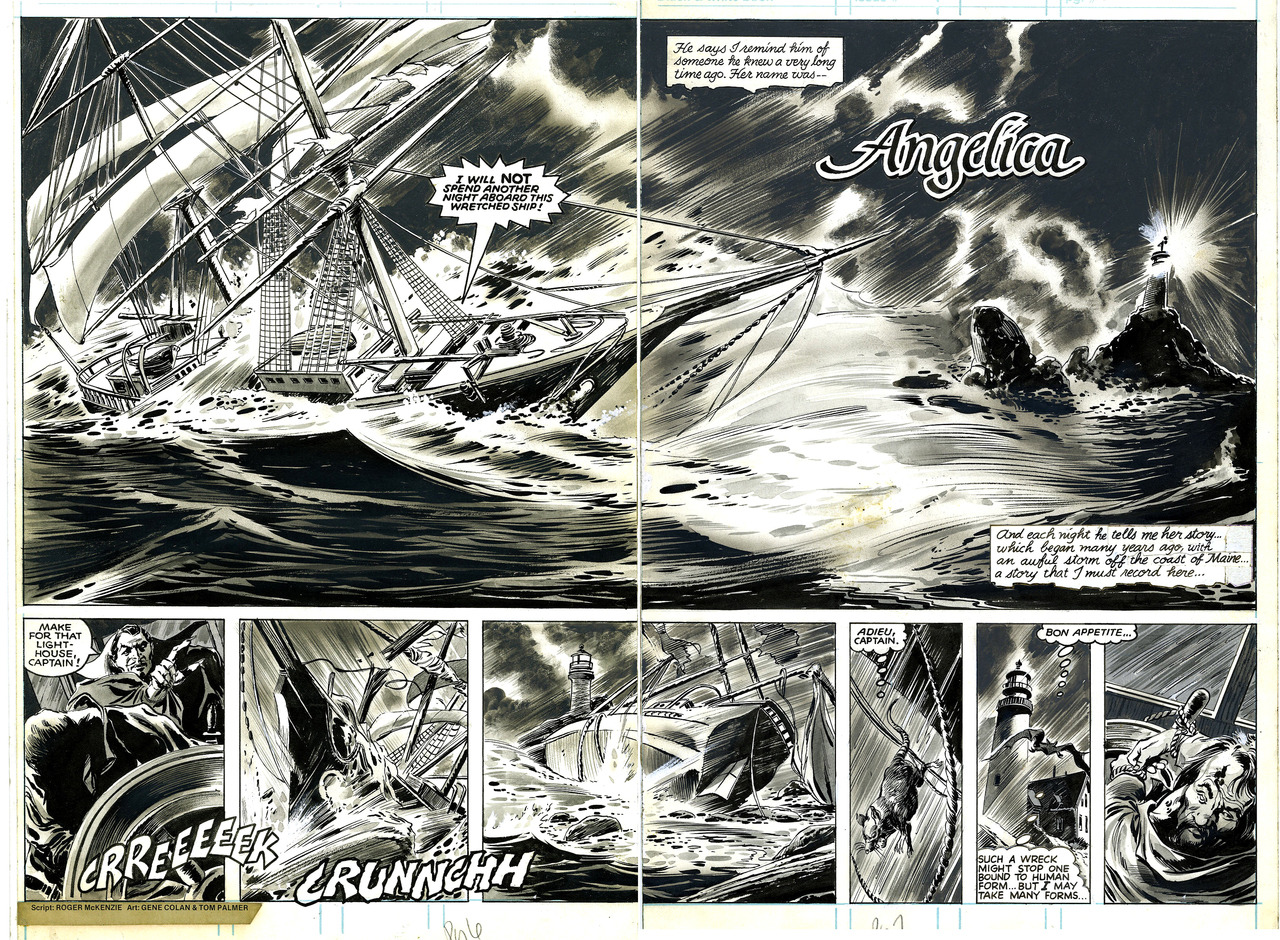
Sensational She-Hulk #42, page 8 by John Byrne & Glynis Wein. 1992.
“Io e Wallie”, Walter Petrone (in arte Wallie) sa quanto sto in chiusa per la lavorazione del mio prossimo libro per Feltrinelli, e ha disegnato lui il fumetto di questa settimana 💔 enjoy!
When I was an academic, I would receive “edits” on my manuscripts. Usually these took the form of paragraphs about what I should include more of (“you must integrate findings form Scholar McScholar’s monograph published in 1954 before it can be published”), what I got wrong (“this is a misreading of Adorno’s definition of ideology”), and maybe a comment or two in the margins (“The CIA, not literary theorists, ‘interrogate’).
When I started writing for trade publications, I realized that editing could be much, much, more intensive–and fun. Editors would actually make the changes to correct my summary of Adorno! They would move the last sentence of a paragraph to the first and suddenly everything made more sense! They would correct my dangling modifiers and not even shame me for creating them.
I loved–and still love– being edited heavily and often. It helps the content of my writing, but it also improves my writing per se, and allows me think about my style, voice, and use of rhetorical forms (arguments, analysis, etc.) in new ways.
Anne Trubek in “Developmental, Line, Copy-, and Proofing: What Editing Means”, in her Notes from a Small Press newsletter
The Register has contacted Appl for coment, but we’re probably unlikely to hear anything bak.
That magical super material Apple hopes will hit backspace on its keyboard woes? Nylon • The Register
From Destroyer Duck #1, by Steve Gerber, Jack Kirby and Alfredo Alcala.
Il magico potere del “QUELLO NOOOOOO”!!!!
Kirby Klose-ups!
All of these are from issues of 2001: A Space Odyssey.