better call Diego
to
frenfumetto
Dunque, io di fumetti brutti nella vita ne ho letto una discreta quantità, ma una cosa orrenda come Dylan Dog 400 stento a ricordarla. (ovviamente parlo della storia, perchè Stano è Stano)
È un po' che non frequento più Dylan Dog, mi dite che ha di particolare questo numero 400? Su FB ho letto di persone che hanno deciso di smettere di leggerlo, con questo numero
-
barbottina
from Android
- [ 0 ]
-
[ 0 ] - (Edit | Remove)
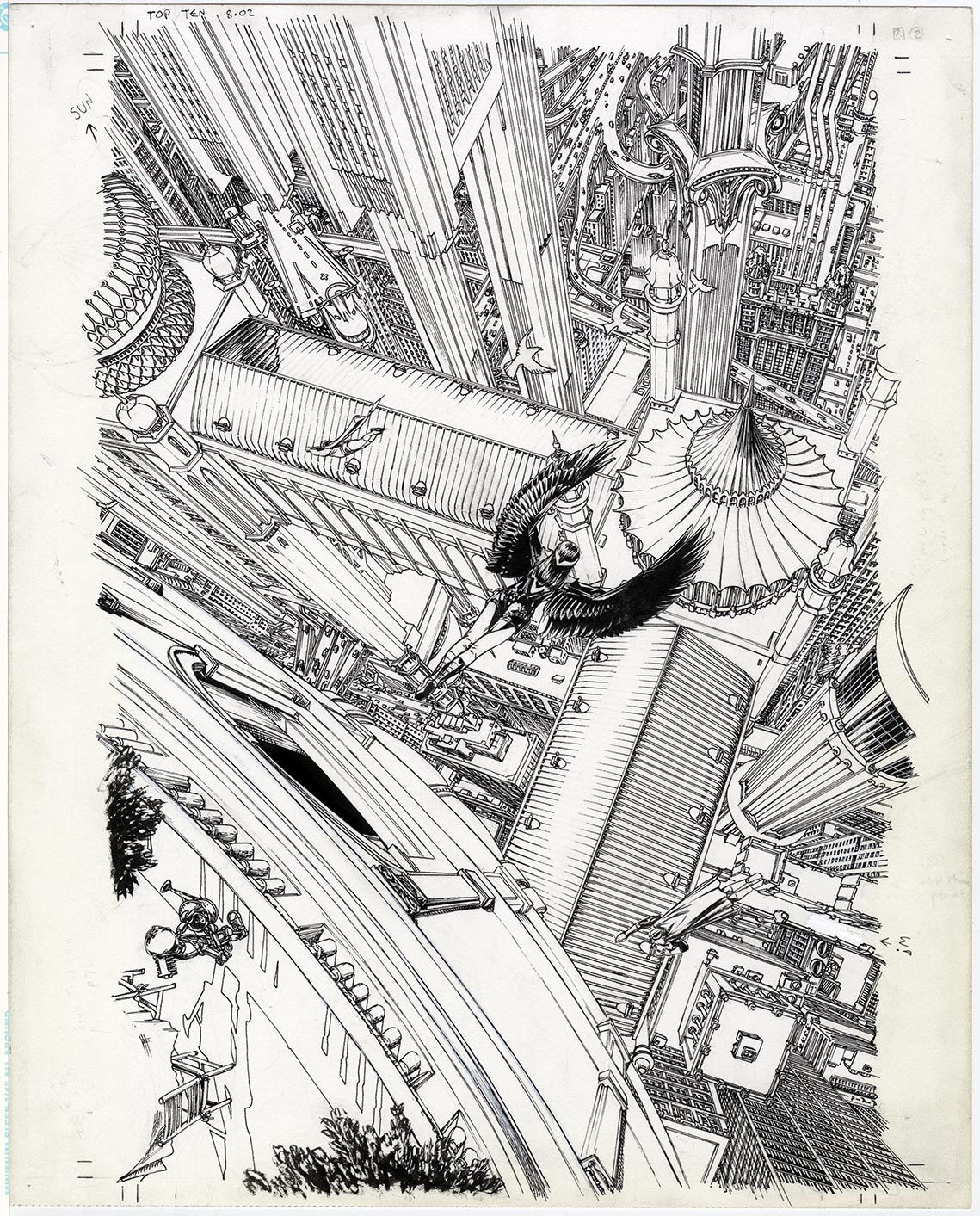
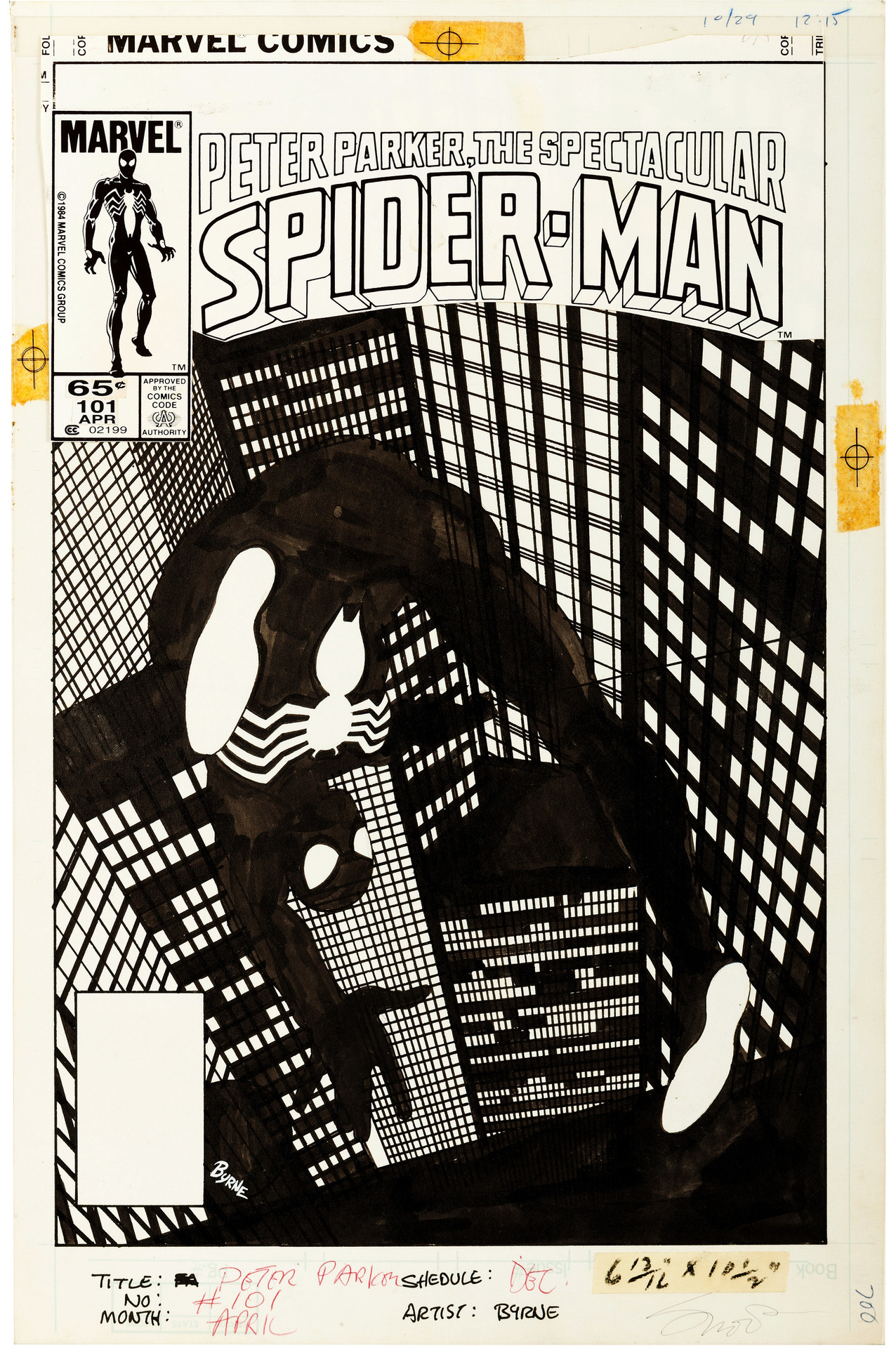
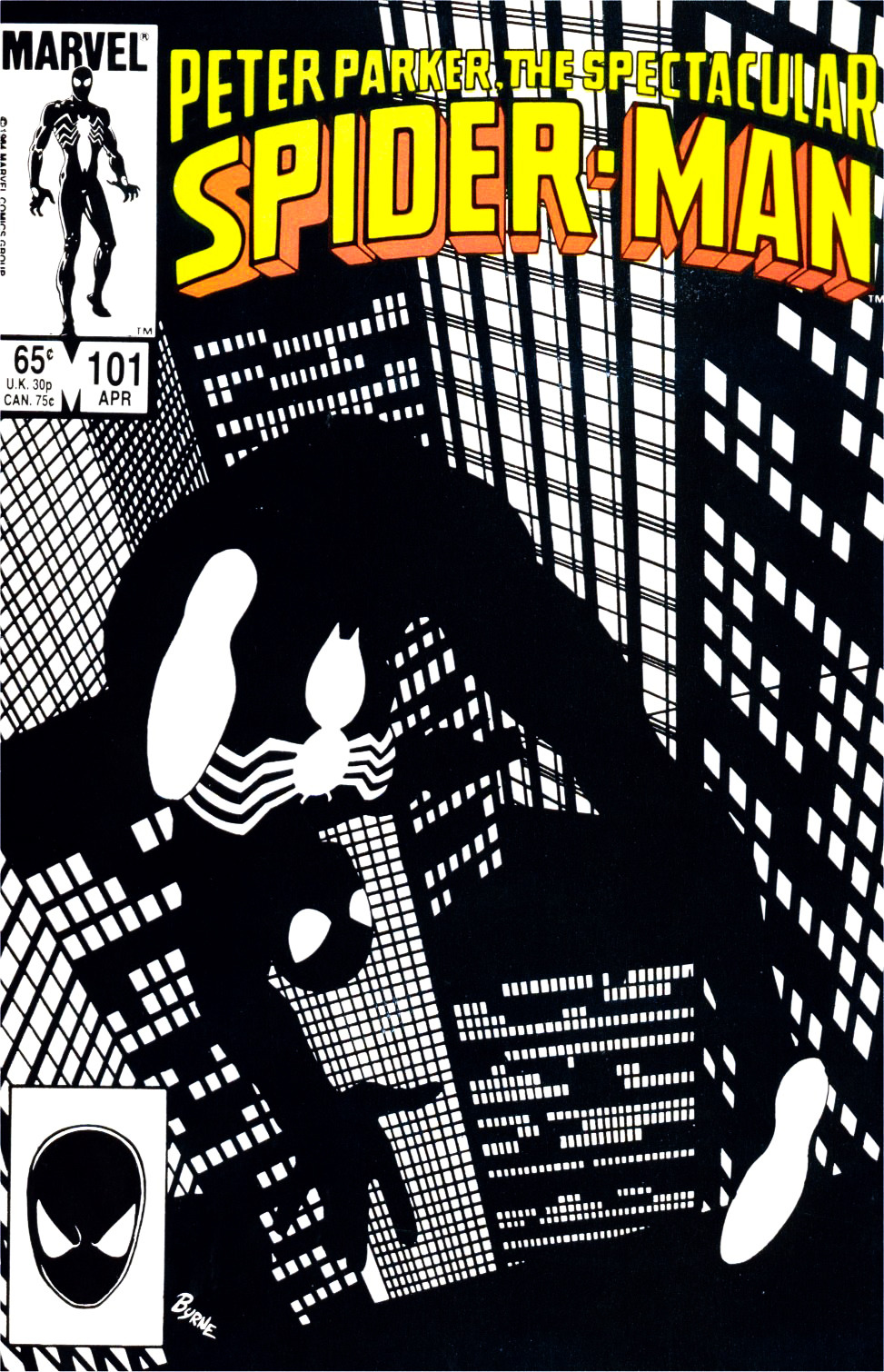
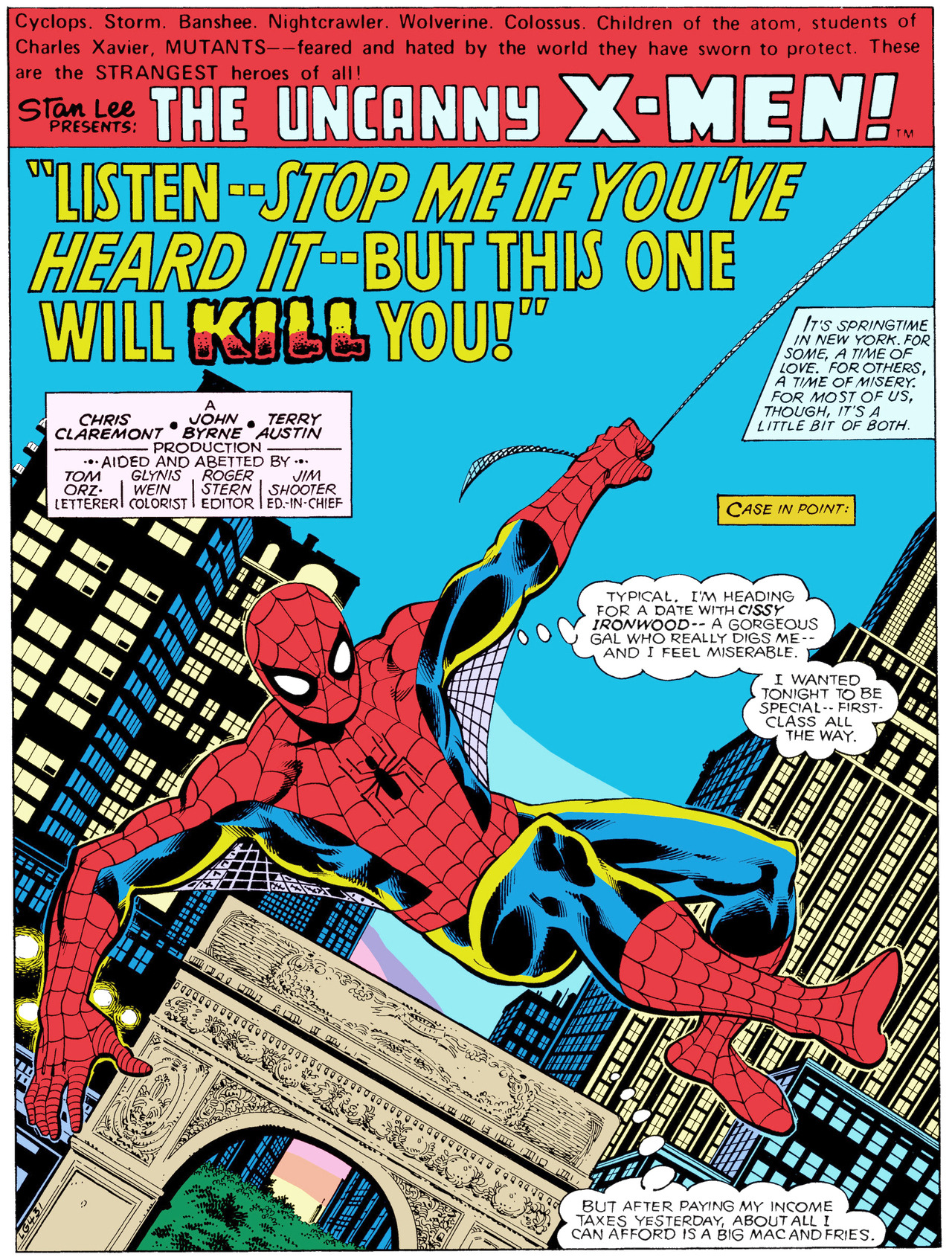
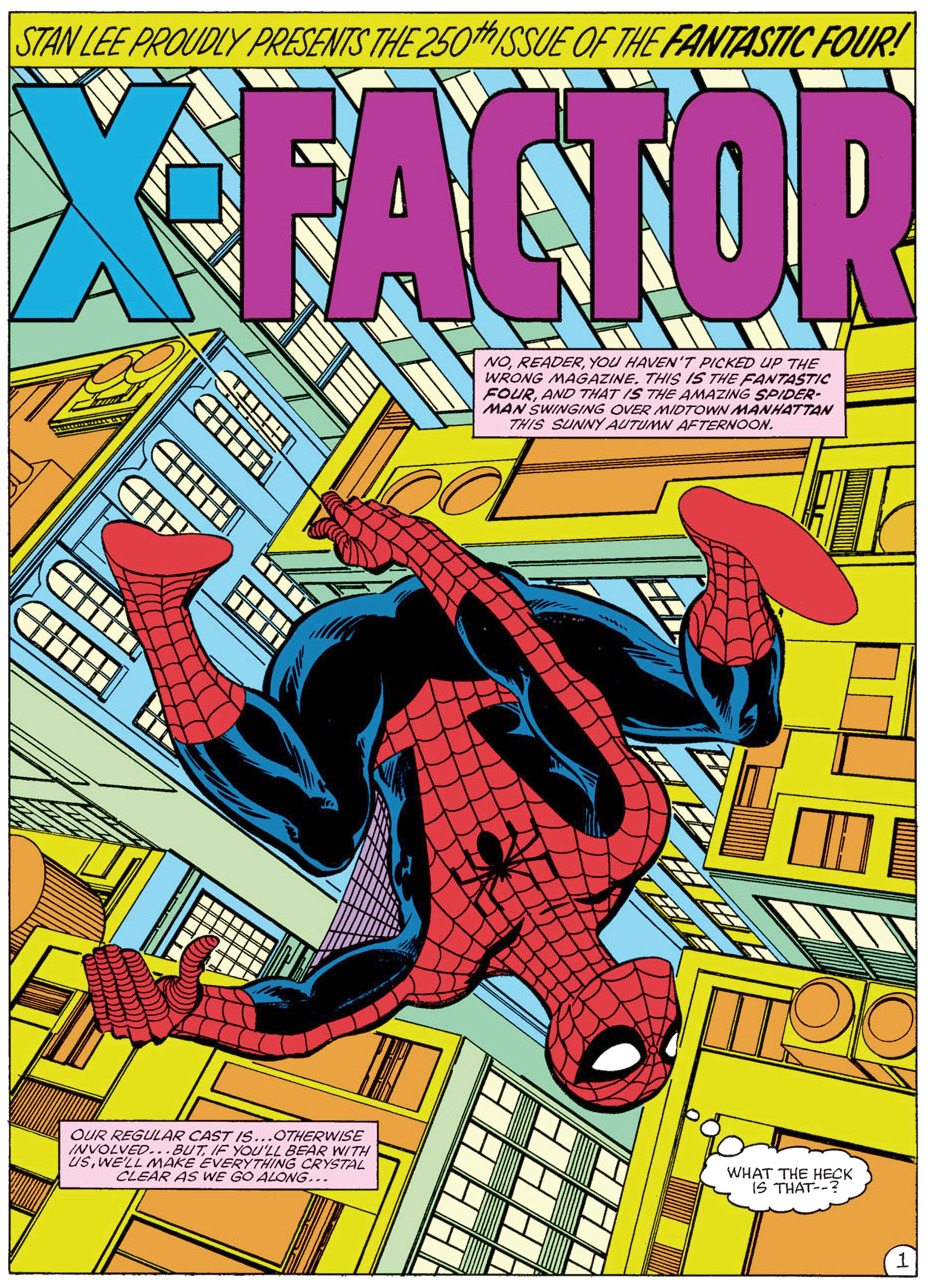
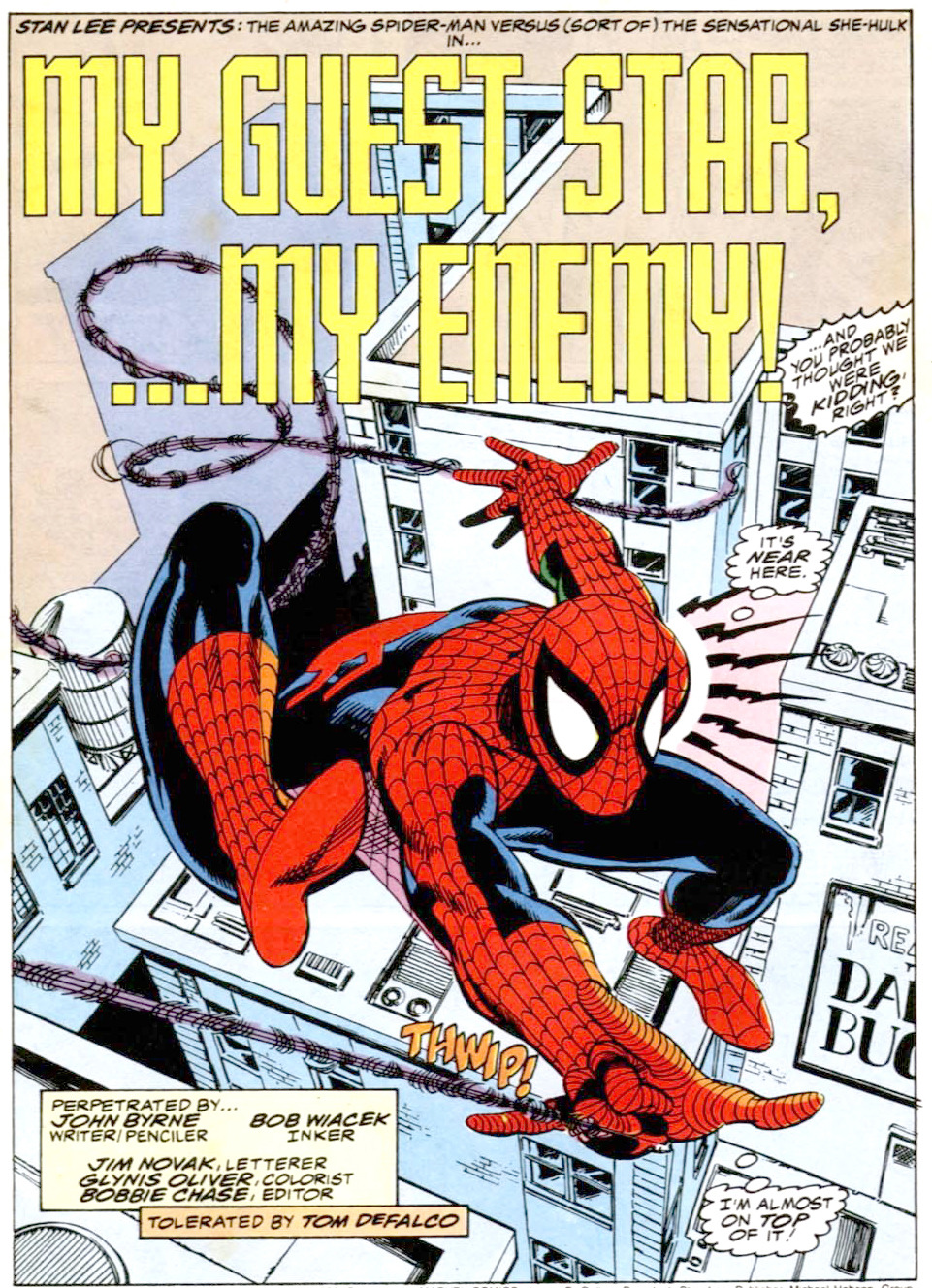
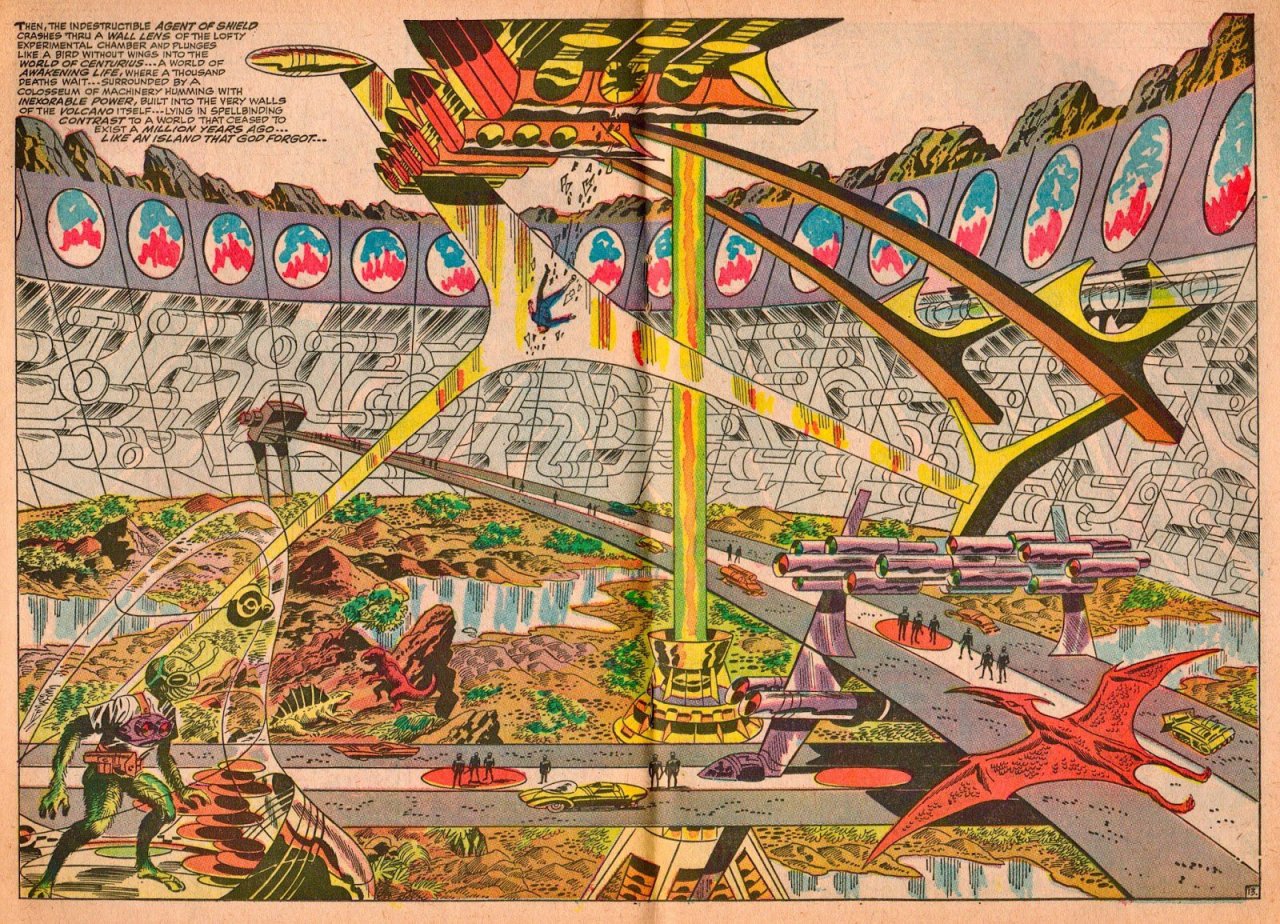
This was the hardest single page I ever drew. Alan Moore was too sick to write much Top 10 for me, so he wrote one page of script of Peregrine getting ready for work while listening to the news. The second page was a top down shot of Peregrine leaving her flying mansion, looking directly down on all of Neopolis. Every inch of the page had to be covered with cityscape. It took me four days working all out to get this finished. By then he’d recovered and had to figure out the rest of the story.
It’s widely considered the finest issue of Top 10. Including by me.
La mostra di Silvia Rocchi per "Susi corre" (Canicola), presso Adiacenze (vicolo Spirito Santo 1, Bologna, è grossomodo una traversa di Via d'Azeglio) è ancora APERTA ed è MOLTO BELLA. Ha anche una componente audiovisuale estremamente azzeccata! http://www.adiacenze.it/p... -
nda
- [ 0 ]
-
[ 0 ] - (Edit | Remove)
Scrive Eliana: "Da un paio d'anni a questa parte a fine anno sono solita fare un megaregalone cioè mettere disponibili gratis tutti i fumetti che ho fatto durante i dodici mesi precedenti. Siccome quest'anno i principali fumetti che ho fatto sono dentro un libro che è in vendita e che potete comprarvi o regalare, non mi pareva proprio il caso, a meno che non voglia già mollare tutto e fare la giostrara (un'opzione che sta comunque nella mia lista). MA io sono buona e mi sono inventata lo stesso un modo per regalare qualcosa: [dal link] potete scaricare un calendarietto da stampare e portare sempre con voi. Non si sa mai che in farmacia tirino un po' la cinghia e non ve lo regalino, o che vostra nonna non vi dia un doppione del suo con le citazioni del papa buono. Su questo non ci trovate né santi né madonne ma principalmente l'espressione di un solo stato d'animo che può essere tradotto con "diobono siamo vivi per miracolo". Fatene quello che volete, mandatemi una foto, mettete una foto. Potrei anche decidere di attribuirgli un hashtag che fa molto #tendenza: e infatti lo farò, lo decido proprio ora, sarà: #tomareomo
Ciao
-
nda
- [ 2 ]
-
[ 0 ] - (Edit | Remove)
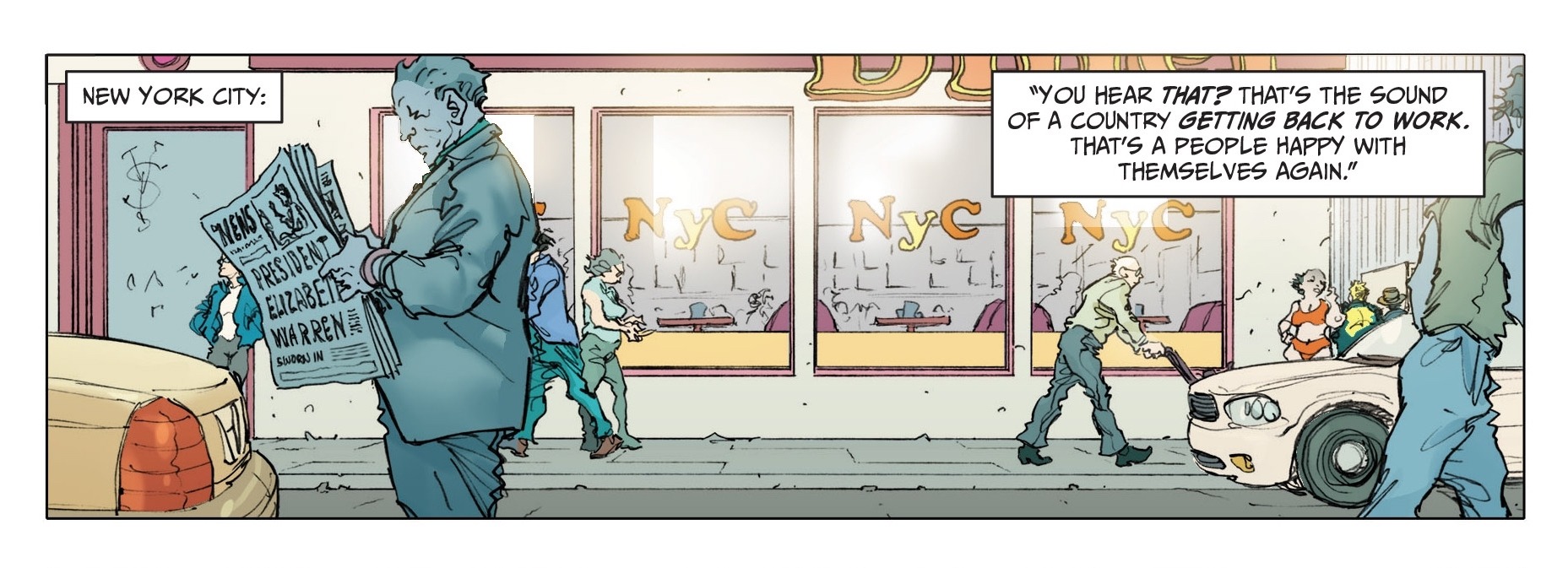
Fiction anticipating reality? In the comicbook Jupiter’s Legacy #5, issued in July 2017, writer Mark Millar depicts a future where Elizabeth Warren is President of the USA.
Nota: se in Italia implementeranno l'articolo 17 della Direttiva Europea sul Copyright come stanno facendo in Francia, non potrò condividere immagini del genere su AOL/Tumblr, nemmeno a scopo accademico o giornalistico, e se dovessi riuscirci Tumblr e altre piattaforme e siti che ripubblicano l'immagine, tra cui frenf.it, saranno passibili di sanzione/causa da parte dei detentori dei diritti (in questo caso Millarworld/Netflix). - ___
-
nda
- [ 0 ]
-
[ 1 ] - (Edit | Remove)
Tom King’s assertion that influential contributors get co-creator credits is important — one that may mark a new chapter in the ongoing story of “creators rights.”
And regardless of how the matter plays out in the high-stakes world of intellectual property owned by multinational conglomerates, there is an intrinsic value giving credit where credit is due simply among those of us who simply value the characters and the compelling storytelling they bring about.
King calls attention to the fact that comics is an inherently iterative and additive endeavor. While latter-day writers and artists may “stand on the shoulders of giants,” it is entirely possible that they may grow taller than the giant below them.
But let’s talk lingo…
But if we want to debate semantics, we need a more nuanced vocabulary. Given that the term “creator” tends to imply “originator,” we run the risk of accidental misinterpretation and unintentional confusion. It’s telling that the King uses the word “contributions” in his proposal, which encompasses those that created the character (Bob Kane, Bill Finger) and those who “developed” it (Denny O’Neil, Frank Miller et al).
That said, “contributor” sounds a little too “participation trophy” for some tastes. Instead, I nominate “defined by” as a suitably reverent and all-inclusive term. Thus in Tom King’s example…
Batman defined by Bob Kane, Bill Finger, Denny O'Neil, Neal Adams, Steve Englehart, Marshall Rogers, and Frank Miller.
This may seem like a long credit line to grace the page of every Batman issue, but when you consider that comics found a way to evolve from a single “Bob Kane” credit to include writer, penciller, colorist, letterer, editor, cover artist, and more; I think we can manage.
What do we mean when we say “influential contributions”?
But whereas the traditional method of identifying authorship is fairly straightforward — whoever’s names are on the credits page of a character’s first appearance — King asks for a more nuanced evaluation of credit. But this can get complicated and subjective. It calls into question what constitutes a character in the first place?
I LOVE this question — it’s one I’ve given lots of thought to.
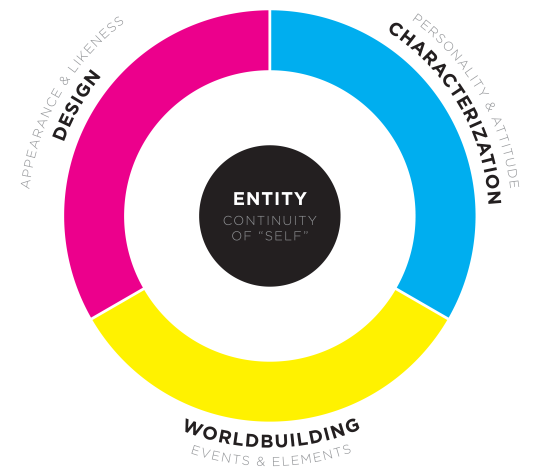
Just as these characters are rendered on the page by combining four specific ink colors (cyan, magenta, yellow and black), so too are these characters formed by combining four specific identifying traits:
Entity: Both perfunctory yet integral, this refers to the character’s individual “self.” It is the basic element that makes Jack Kirby’s and Joe Simon’s Bucky the same character as Ed Brubaker’s and Steve Epting’s Winter Soldier. Whereas each of the other three traits can change dramatically, the continuity of consciousness creates an indelible link to its previous incarnations.
Design: The fundamental visual appearance of a character. It’s the property that allows people who look nothing alike (Adam West, Michael Keaton, Val Kilmer, Christian Bale, and Ben Affleck) to disappear into the iconic entity we recognize as Batman.
Characterization: The personality and attitude of a character defines the choices they make and the way they respond to the world around them. Though possessing identical power sets, the contrast between Plastic Man’s lighthearted frivolity and Mister Fantastic’s intellectual seriousness illustrates why character relies on characterization.
Worldbuilding: Transformative events (exposure to chemical waste, loss of loved one, etc.) and individual elements (Hell’s Kitchen, a Batmobile, Kryptonite, etc.) can become so tightly integrated with a character that they become associated with and an extension of that character.
Okay, so let’s try… Wolverine
Wolverine is an excellent example of a character that has been developed significantly since he showed up as an antagonist in Incredible Hulk #181-182. He stemmed from a concept by editor-in-chief, designed by Marvel’s art director, fleshed out by a writer who had just a few issues with the character, developed dramatically over decades by another writer, with a selection of other artists and writers contributing here and there.
Here is just one guy’s take on who defined Wolverine, with totally arbitrary percentages, because I have a OCD urge to quantify everything…
Chris Claremont (~40%)
“Logan” name
claws as part of body
Adamantium reinforced bones
healing factor
mysterious backstory
character development
Len Wein (~10%)
mutant animal senses
ferocious attitude
Government agent
John Romita (~10%)
original costume, claws
John Byrne (~10%)
brown & tan costume variant
advanced age, war veteran, Alpha Flight
Dave Cockrum (~5%)
distinctive hairstyle
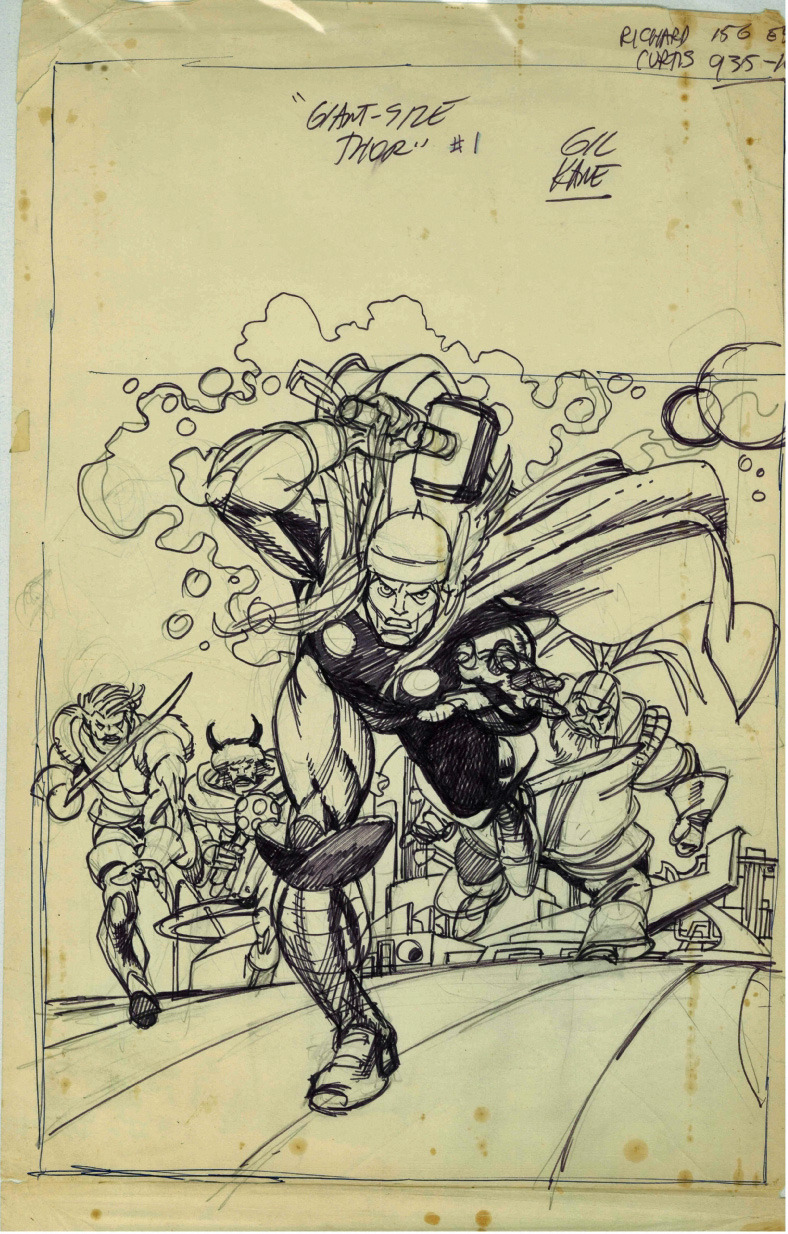
Gil Kane (~5%)
iconic cowl
Barry Windsor Smith (~5%)
Weapon X background
Paul Jenkins / Joe Quesada / Bill Jemas (~5%)
“James Howlett” name
youth background
Roy Thomas (~5%)
“Wolverine” name
Canadian
Frank Miller (~4%)
Japanese samurai background
Bob Harras* (~1%)
bone claws
* Wolverine #75 writer Larry Hama has reported that he was against the idea of bone claws, so I’m guessing it was X-Men editor Harras that conceived it?
"Autore di numerose storie per la nostra Casa editrice, creatore di Jonathan Steele, lo sceneggiatore milanese è scomparso nelle prime ore dell'8 dicembre."
-
nda
- [ 0 ]
-
[ 0 ] - (Edit | Remove)
Ho conosciuto anch'io Federico tramite FdC, prima sulle pagine della rivista, quando fu una delle prime realtà a pubblicare fumetti italiani influenzati dai manga e poi allo stand della rivista a Lucca. In questi anni ci siamo incrociati ogni tanto e talvolta salutati ma purtroppo non abbiamo mai approfondito la conoscenza superficiale. :(
-
nda
- [ 0 ]
-
[ 0 ] - (Edit | Remove)
Chris Reynolds è l'autore di "Mauretania", spiazzante e seminale libro a fumetti degli anni Novanta (oggi diremmo "graphic novel") pubblicato all'epoca da Penguin, insieme a Maus, e in Italia originariamente da Feltrinelli.
-
nda
- [ 0 ]
-
[ 0 ] - (Edit | Remove)
p.s. Risma è in Via Augusto Dulceri 51 Roma. Andate e godetene tutti.
-
nda
- [ 0 ]
-
[ 0 ] - (Edit | Remove)
Lettura caldamente consigliata, con parecchie considerazioni e spunti di riflessione su cosa sia il fumetto-libro (e il mercato del fumetto-libro) oggi.
-
nda
- [ 0 ]
-
[ 0 ] - (Edit | Remove)
Patrizia Mandanici
to
frenfumetto,
Quelli di Milano
Amici frenfini amanti del fumetto: possiamo incontrarci il 28 al Bonelli Point della Mondadori di via Marghera alle 17 (non comodo per chi lavora forse, comunque sarò lì certamente fino alle 18 e oltre)
Domani, su Patreon, comincia la pubblicazione online di una storia erotica breve di Baldazzini, nella traduzione in inglese del sottoscritto, tratta dal volume "Mondo Erotica" di un paio d'anni fa. :)
-
nda
- [ 1 ]
-
[ 0 ] - (Edit | Remove)
Patrizia Mandanici
to
frenfumetto,
Omosessualita' e dintorni
Wally Rainbow nel suo blog in cui monitora il rapporto fumetto-temi LGBT segnala i primi incontri a Lucca comics dedicati a questi temi (http://lightelf.blogspot.... ), oltre al musical tratto dal fumetto di Leo Ortolani "Cinzia", il personaggio transgender del fumetto Rat-man. Su Cinzia, sul personaggio, ci sono delle riflessioni da fare in merito al tipo di comicità, che da una parte è sicuramente dalla parte della protagonista, dall'altra in parte perpetua una serie
di stereotipi (se ne accenna in questo articolo di Wired https://www.wired.it/play... ). Io ammetto che per tanti anni ho sorvolato su alcune battute "datate", era comunque importante avere un personaggio trans positivo, e non maltrattato - ed è il motivo per cui tanti della comunità LGBT lo apprezzano. Un mio conoscente che fa il critico fumettistico considera invece l'approccio di Ortolani a Cinzia "reazionario".
-
Patrizia Mandanici
- [ 3 ]
-
[ 0 ] - (Edit | Remove)
@psicocaccola In Rat-man comunque negli anni il personaggio si evolve e diventa ancora più definito (e mi mancano gli ultimi 30 numeri in cui non so se succede altro)
-
Patrizia Mandanici
- [ 0 ]
-
[ 0 ] - (Edit | Remove)


 Discussioni a ruota libera su fumetti italiani, francesi, statunitensi, sudamericani, giapponesi...